
RAIN! Rain gardens and native plants
Rick Alfandre | June 25, 2015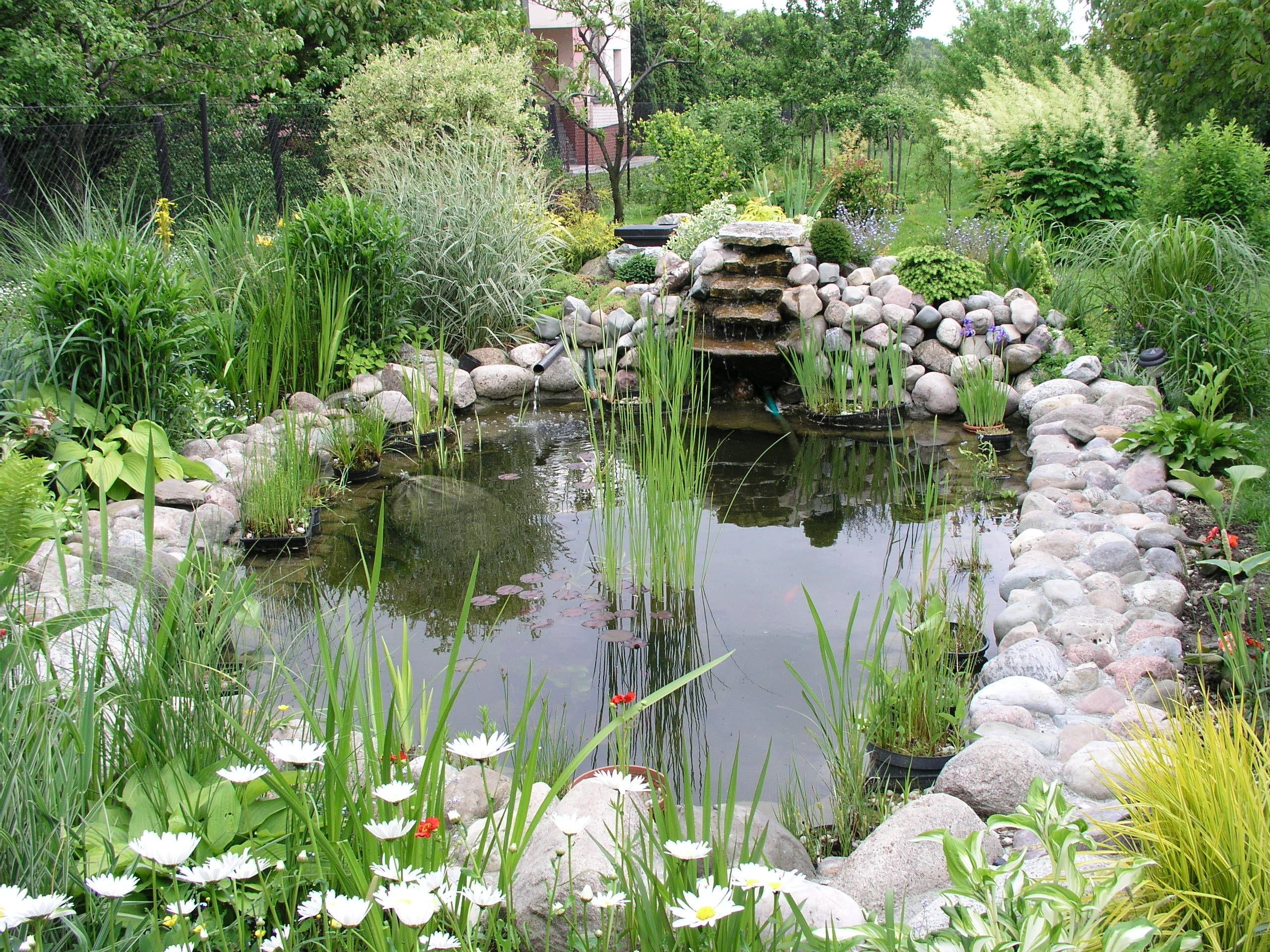
Photo Courtesy of Nowis at Wiki Commons
A few weeks ago it seemed that 2015 would be a drought year. Fortunately we are having plenty of rain and our gardens are lush and our streams are flowing! Still, rain water is a precious resource. One thing we can do with some of the rain is create a rain garden
What is a Rain Garden?
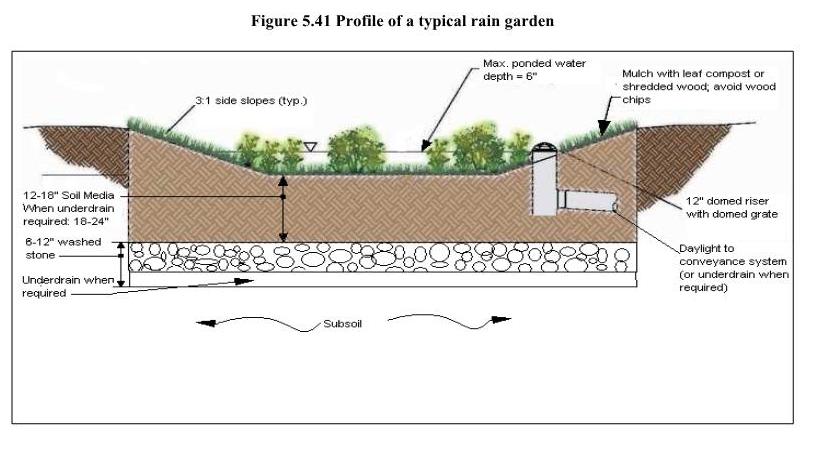
On the surface, a rain garden appears to be a small or large planted area with some of the same wild flowers and other native plants you might expect to see in any garden. However, there are differences, some of which you cannot see because they are below the surface of the ground
Rain gardens are simple to build and serve several wonderful purposes. During a storm or rain event the rain garden soaks up a few inches of water runoff. Water from a roof, a driveway, or other paved surface is directed into the planted area. That water slowly seeps into the ground instead of washing away downhill and downstream.
Rain gardens are slightly depressed or recessed areas that are typically planted with a variety of local native species of plants, flowers, and small shrubs. In some cases the sub surface may be dug up and amended with permeable gravels and soils to help with water retention and plant growth.
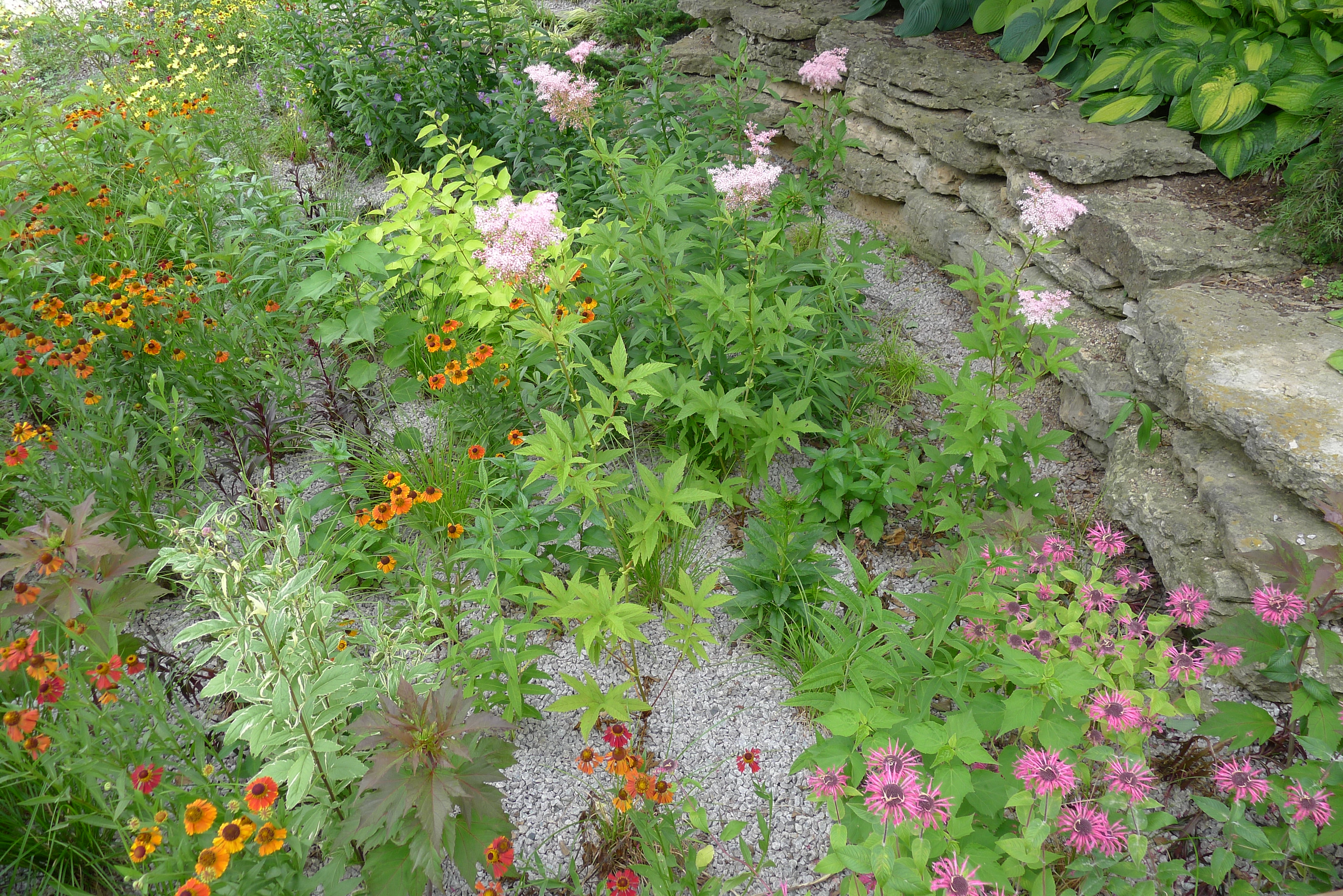
Photo courtesy of James Steakley at Wiki Commons
Why should I build a rain garden?
One word: runoff. Slow the rate of run off and improve the ecological quality of run off by cleaning the runoff before it leaves your property. In so doing you also help to recharge groundwater.
In many local communities, sewage and storm water systems are still connected underground. It takes as little as a tenth of an inch of rainfall to overload them, causing sewage to overflow into streams, yards and rivers. And even when storm water is not recharged back into the ground the runoff flows to storm drains and down surface paths, picking up pollutants that contaminate our streams, ponds, lakes and rivers. In some communities storm water can also enter sanitary sewer systems overloading the infrastructure and causing sewage pollution. Sewage system repairs and upgrades are very expensive. Flooding along our rivers and streams is another danger of too much storm water.
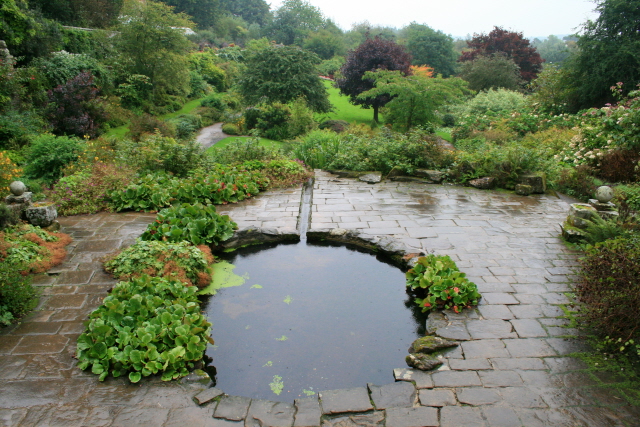
Photo courtesy of David Lally at Wiki Commons
Rain gardens are a simple way to make a difference.
How do I build a rain garden? There are many resources online. Or you can work with a local architect, landscape architect or landscape contractor to design and build a rain garden.
Once you have identified the best location for your rain garden and prepared the area you will want to plant the garden with regionally native plants. Native plants are selected for their adaptability to the local climate and the micro-environment of the rain garden. Again, there are many guides online about native plants and species. I prefer to start by looking at the NYS Dec web site. Many local nurseries specialize in native plant species and can give you much help and guidance.
Rain gardens have many ecological benefits and are fun! Consider transforming a piece of your yard or property into a bio-diverse rain garden this summer.

Read On, Reader...
-

Jane Anderson | April 1, 2024 | Comment A Westtown Barn Home with Stained-Glass Accents: $799.9K
-

Jane Anderson | March 25, 2024 | Comment A c.1920 Three-Bedroom in Newburgh: $305K
-

-

Jaime Stathis | February 15, 2024 | Comment The Hudson Valley’s First Via Ferrata at Mohonk Mountain House